

Q&A
Frequently Asked Questions
How much does it cost to get free shipping with home delivery?
Free shipping on single orders over NT$2500
What are the differences between the three types of tea oil? Are they all cold-pressed?
We produce three types of tea oil, whose color and aroma are entirely natural. The subtle differences are mainly due to the different raw materials and pressing temperatures.
The following is a comparison of the small fruit of the golden flower, the large fruit of the red flower, and the green fruit of the tea plant:
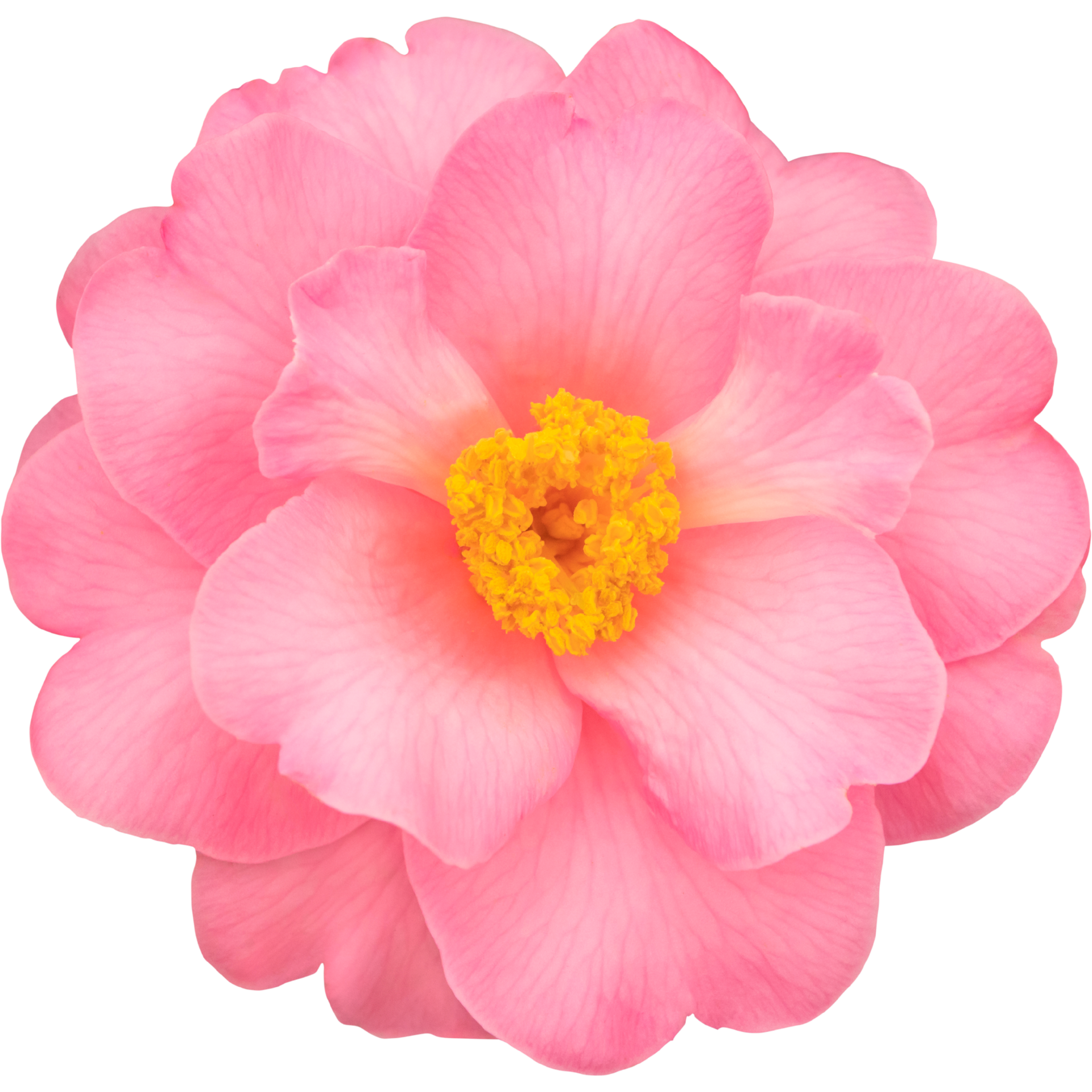
Red-flowered, large-fruited camellia seed oil (red and white flower varieties - flower type is symbolic)
Compared to small-seeded varieties, they account for 70% of the total yield, and are produced in a wide range of regions with a broad variety of types.
Golden Flower Small Fruit ~ Camellia Seed Oil (White Flower Variety ~ Yellow Flower Series is Symbolic ~ Yellow is the Most Precious Variety)
The yield is low, the fruit is small, and harvesting is difficult; one person can harvest 15-30 kg per day. Besides the scarcity of raw materials, the preciousness of the variety, and the time and labor required, resulting in high costs, its nutritional content surpasses that of large-fruited bitter tea oil, including higher levels of monounsaturated fatty acids, tea polyphenols, and chlorophyll.
Vitamin E, etc., has a smoke point as high as 210℃. It can be used in stir-frying or seasoning dishes, or drunk directly, mixed with food, or dipped in bread. It can also be applied to the skin.
Tea seed oil (from white-flowered varieties) is made from the seeds of tea varieties such as Oolong, Jin Xuan, and Baozhong. The seeds are harvested after the tea leaves have matured and then processed into oil. This type of tea oil has a higher concentration and a darker color than bitter tea oil.
Red flowers and large fruits...... Golden flowers and small fruits..... Tea leaves and green fruits
Monounsaturated fatty acids....80.2g ..........81.2g................ 65.5g
Polyunsaturated fatty acids.....9.3g ..............8.5g ..................21.4g
Saturated fatty acids...............10.5g .............10.3g ...............17.1g
Trans fatty acids................0.0g ................0.0g .....................0.0g
Cholesterol.......................0.0g ...................0.0g ......................0.0g
Tea polyphenols....................45.0ppm ........62.0ppm
Chlorophyll....................17.8ppm ........32.0ppm
Natural Vitamin E ........240.3ppm ...........307.8ppm ...........480ppm
Bitter tea oil comes from the seeds, so it must undergo processes such as sun-drying, roasting, steaming, and pressing, which are called low-temperature and medium-temperature roasting. The seed oil needs to be roasted at a certain temperature so that its rich nutrients can be fully released and achieve its effects.
Olive oil comes from the pulp of the fruit, so it can be extracted without drying, roasting, or any temperature; hence the name cold pressing.
Camellia oil is a seed oil that requires heat to extract. Bitter camellia oil is not cold-pressed because cold-pressed bitter camellia oil has low nutritional value.
Camellia seed oil from safflower large fruit and golden flower small fruit is extracted at low temperature, while tea seed oil and camellia seed oil are extracted at a temperature about 20 degrees higher than the other two.
The following information about oils is provided.
Oil refining methods generally fall into two categories: refining and mechanical pressing.
1. Refining: Typically, the crushed seeds are first soaked in hexane solvent, then heated (65-70℃) for extraction, filtered, and the hexane solvent is removed using a vacuum concentrator to obtain the oil. The advantage is that a larger amount of oil can be obtained, but the disadvantage is that it is very difficult to remove 100% of the hexane solvent.
2. Mechanical pressing: The oil is obtained by directly pressing the seeds mechanically. The advantage is that there is no residue of hexane solvent, but the disadvantage is that less oil is obtained.
Therefore, if oil is used for stir-frying, the residual hexane solvent may evaporate due to heat. However, for those who intend to mix it directly with rice or noodles, or for those who will not reheat it, it is best to choose mechanically pressed cooking oil.
Which type of oil is best to use during postpartum confinement?
Golden flower fruit oil can be used during postpartum confinement.
This oil is highly nutritious and has fine molecules that are easily absorbed by the body, helping to heal wounds caused during childbirth.
Sesame oil is often used during postpartum confinement, but it tends to be drying and hot. It is recommended to use sesame oil and golden flower fruit oil alternately.
Can bitter tea oil be used as a mouthwash?
OK!
It is recommended to use Golden Flower Fruit Oil for rinsing, as this oil has the highest nutritional content and its fine molecules are easily absorbed by the body. If there are wounds in the mouth, it can also protect the wounds and help repair the oral mucosa. After rinsing, it is not recommended to swallow or spit into the sink. You can wrap it in a tissue and discard it.
When I stir-fry vegetables with oil, small bubbles appear. Is this normal? Why do they appear?
Commercially available cooking oils often undergo an additional "degumming" process to maintain product stability. This process aims to remove the gum from the raw materials to prevent cooking from producing smoke, thus making the product more stable.
During processing, we insist on using low-temperature pressing and do not use chemical degumming to preserve the natural nutrients of camellia seed oil.
Therefore, when you pour oil into a hot pan and stir-fry minced garlic, small bubbles will appear. This is due to the action of the gum in the oil, which is a normal phenomenon. Please feel free to consume it.
What is the shelf life of oil products?
All three types of Jin Chun oils have a shelf life of one year if unopened. Once opened, if you use them frequently, simply store them in a cool, dark place.
If you don't use it often and the ambient temperature at home is high, then you can refrigerate it. After each use, it is recommended to wipe the oil stains off the bottle opening and cap to preserve the oil better.
Which type of oil should I use to improve my digestive health?
To improve gastrointestinal issues, we recommend consuming Golden Flower Small Fruit Bitter Tea Oil. This oil has the highest nutritional content and its fine molecules make it easily absorbed by the body.
The method of consumption is to drink 5cc (about one tablespoon) of oil on an empty stomach every morning. Wait for the bitter tea oil to coat the stomach wall and form a protective layer. After 10 minutes, eat breakfast and drink water. Continue to drink in this way to improve gastrointestinal problems.
Is it normal for oil to have sediment at the bottom that is cloudy or lumpy after being stored for a long time?
This is normal, because our oils are all first-pressed 100% pure virgin oils, without refining processes such as degumming and decolorization. Over time, the gum will settle, which is normal, and the color will also change. These are natural phenomena that only the most natural oils will have.
The oils you see on the market that do not change color and maintain their pure color are the ones that have undergone multiple refining chemical processes!
Is it safe to store large bottles of bitter tea oil in plastic bottles?
Although our large-format bitter tea oil comes in plastic bottles, please don't worry! Because our oil is poured in while it's still cooled, it won't produce plasticizers.
The reason for using plastic bottles is that they are lighter and cheaper, allowing consumers to get the best value for their money.
Can tea seed powder be used as a shampoo? Or is it just for cleaning?
A normal scalp has a sebum film on its surface, which is a mixture of sweat and oil, with a pH value around 5.5.
After washing your hair, your scalp may feel dry and tight. This is usually because you used a more alkaline shampoo. If the oil is washed away too much, it may reduce the scalp's barrier function and make it more sensitive to external stimuli.
Long-term use of alkaline shampoos may cause the scalp surface to deviate from the normal pH range of 4.5 to 6.0, making the scalp more alkaline.
According to a study published in the international journal "Notes on Dermatology", if the pH of the scalp is between 7.5 and 8.35, Malassezia furfur is more likely to grow, which can irritate the scalp, cause abnormal proliferation of scalp cells, and exacerbate dandruff problems.
Since tea seed powder is alkaline, you should assess your scalp condition before using it!
It is more suitable for washing dishes or fruits and vegetables. When using it, remember to pour it into a container first, stir it with water and then use it to avoid clogging the water pipe!
I still have questions I'd like to ask further.
Welcome to join our official Line account for free one-on-one consultations.
Contact us
If you have any questions, please leave your message and we will be happy to assist you!
Other cooperation inquiries
Contact Us
Sanwan Direct Store
Telephone: 037-831195 / 037-832329 《Sanwan Store: Jinchun Tea Oil Workshop》
Fax: 037-831422 Tel: 037-831195 / 037-832329
Email: teaoil037@yahoo.com.tw Business Hours: Monday to Saturday 08:00~17:00
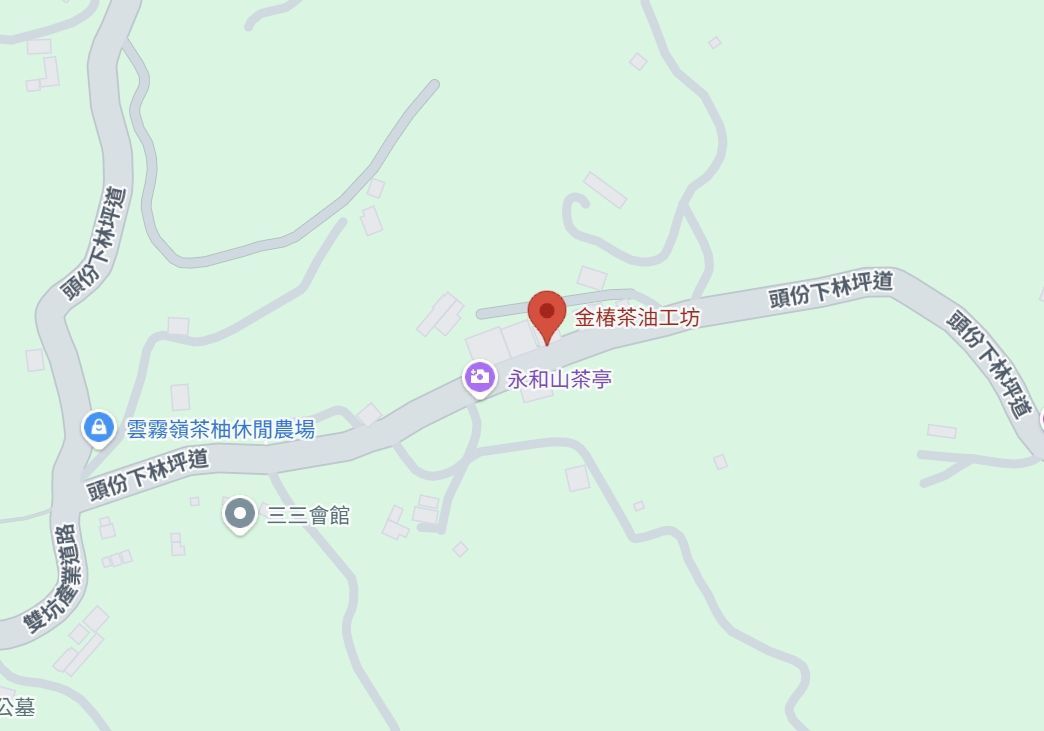
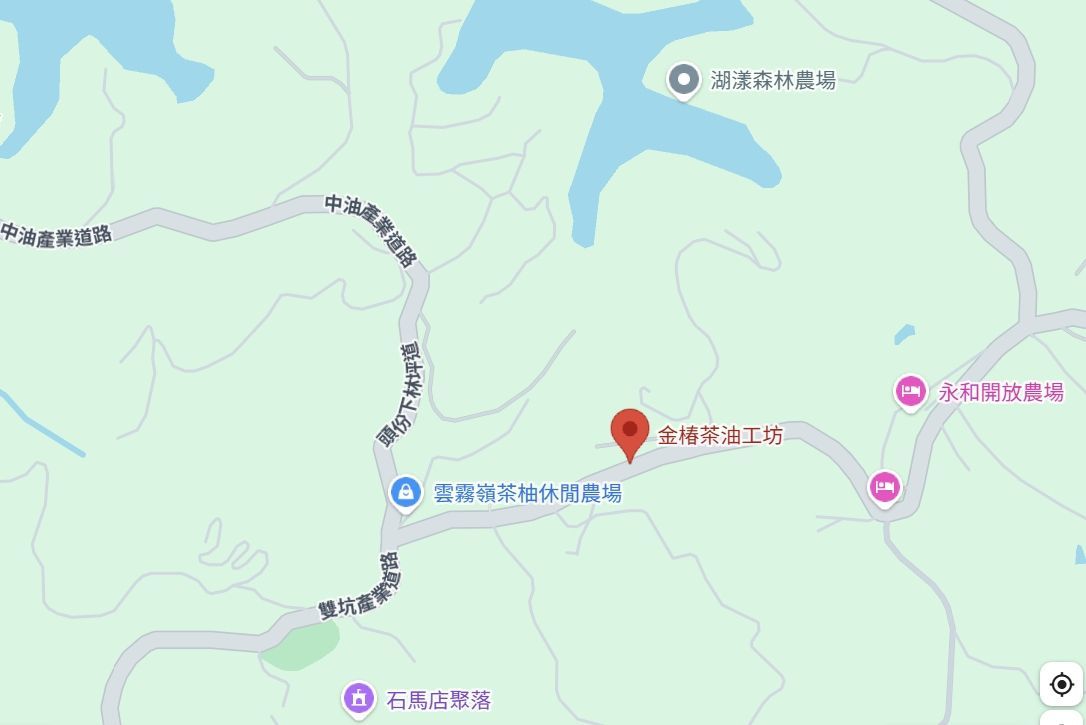
Service hours: Monday to Friday, 08:00-17:00, No. 18-3, Shimadian, Lane 3, Yonghe Village, Sanwan Township, Miaoli County
No. 18-3, Shimadian, Lane 3, Yonghe Village, Sanwan Township, Miaoli County, Taiwan (Unit No.: 28142352)